
About Kairakuen Garden
Kairakuen Garden is one of the Three Great Gardens of Japan and is most known for its collection of 3,000 plum trees. The garden is located in Mito city which is the capital of Ibaraki Prefecture. Kairakuen Garden was completed by Nariaki Tokugawa the ninth feudal lord of the Mito domain in 1842. He opened his private garden to the general public which was a novel idea at the time. In Japanese Kairakuen means “a park to be enjoyed by everyone”.
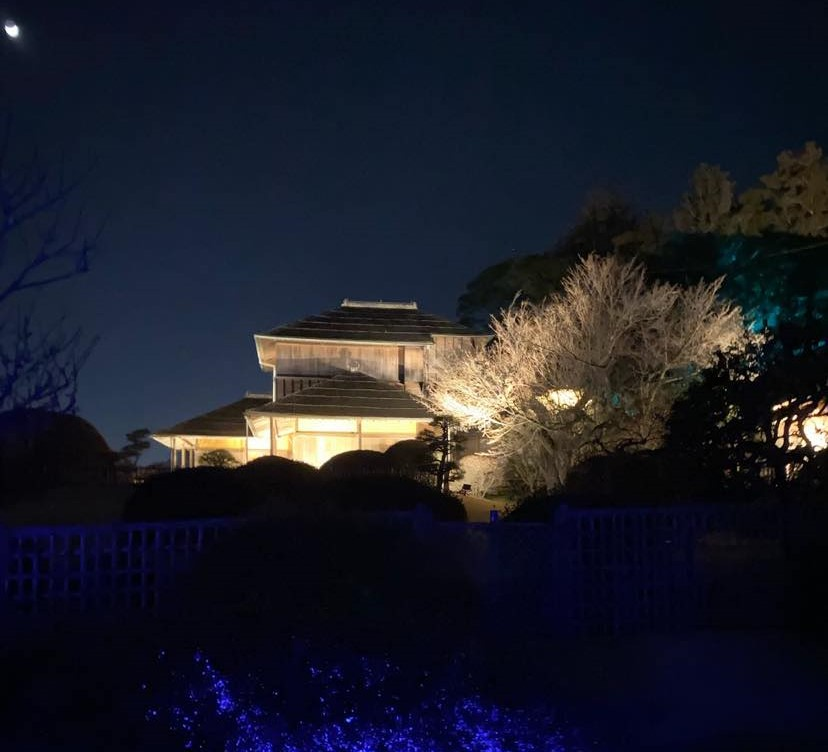
Kairakuen’s Main Garden is split into a number of unique sections. The main sections are the Forest of Plum Trees, Miharashi Square, Kobuntei (a traditional Japanese style building), the Bamboo Grove, and the Cedar Woods. Despite its name, the main gate is not the most popular entrance. The east gate is the most popular access point to the main garden.
Kairakuen Garden is more than just the main garden. Kairakuen Garden is part of a wider garden complex that encompasses a number of different areas. There is the Kairakuen Main Garden, Sakurayama Area, and Momiji Valley.
Kairakuen Garden in addition to Korakuen Garden in Okayama Prefecture and Kenrokuen Garden in Ishikawa Prefecture make up the Three Great Gardens of Japan.
While the garden can be visited year round, we recommend visiting during these times.
The Best Times To Visit Kairakuen Garden
- Mid February – Mid March: Mito Plum Blossom Festival
- March 3rd – March 5th: Plum Wine Festival
- Early April – Mid April: Mito Cherry Blossoms Festival
- Mid November – Late November: Momiji Light-Up
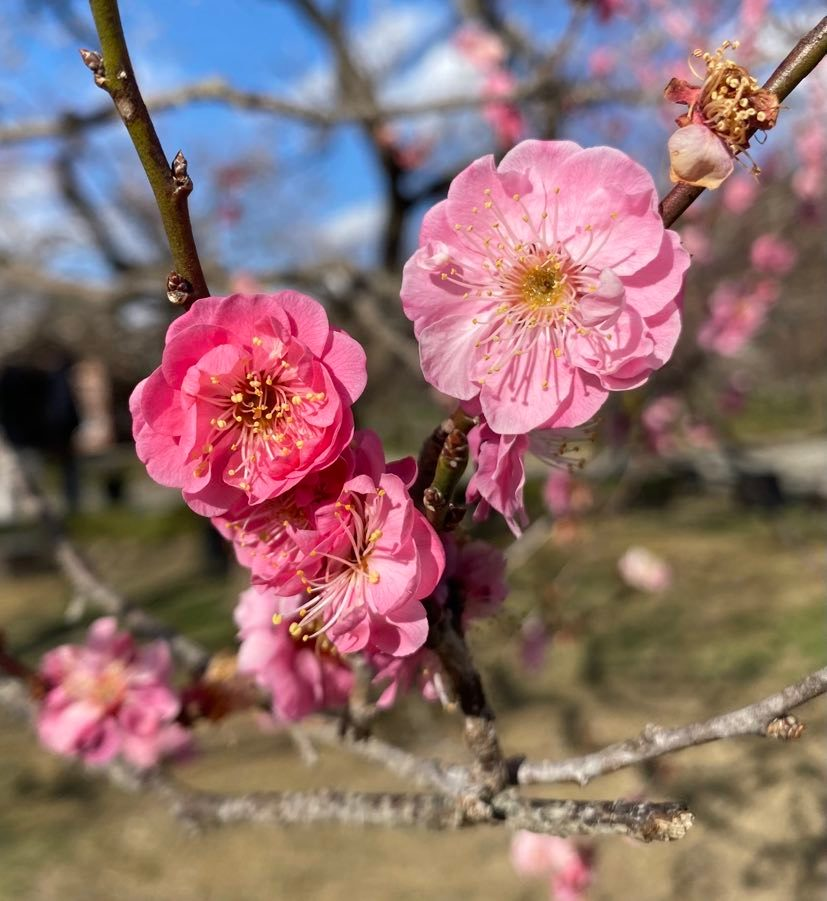
Mid February – Mid March: Mito Plum Blossom Festival
The Mito Plum Blossom Festival is Kairakuen Garden’s most popular event. During this time the gardens 3,000 plum trees are in various stages of full bloom. With over 100 plum tree varieties, spectators are awed with the display of white, red, and purple plum blossoms. On the weekends there are food stalls set up and a number of performances like kendo, dancing, and tea ceremony. Special events include a Natto eating competition, plum wine festival, night time illumination, and fireworks.
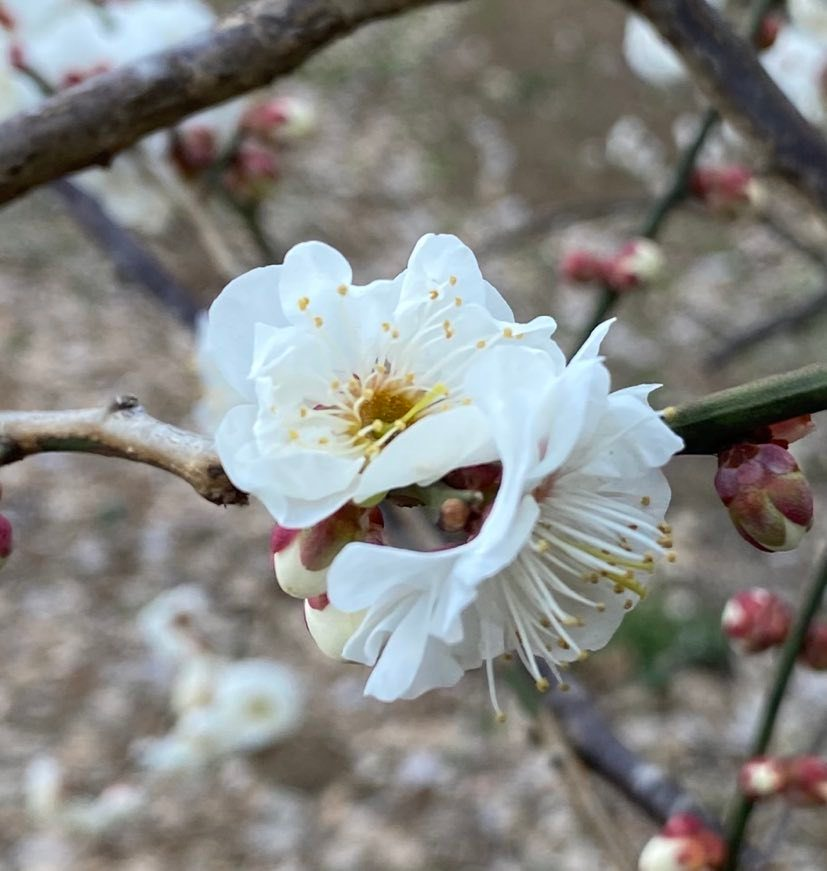
March 3rd – March 5th: Plum Wine Festival
30 minute unlimited tastings of over 140 plum wines from all over Japan. Plum wines are separated into 8 categories based on their base and additives. Bottles of plum wine are available for purchase which provides the perfect “try before you buy experience”. Held just west of Kairakuen Main at Tokiwa Shrine. Ticket prices range from ¥1,100 for advance tickets, ¥1,200 for day of tickets, and ¥1,600 for a fastpass ticket.
Advance tickets can be purchased at 7-11 convenience store kiosks (Code: 099-092)
Fastpass tickets can be purchased at 7-11 convenience store kiosks (Code: 099-077)
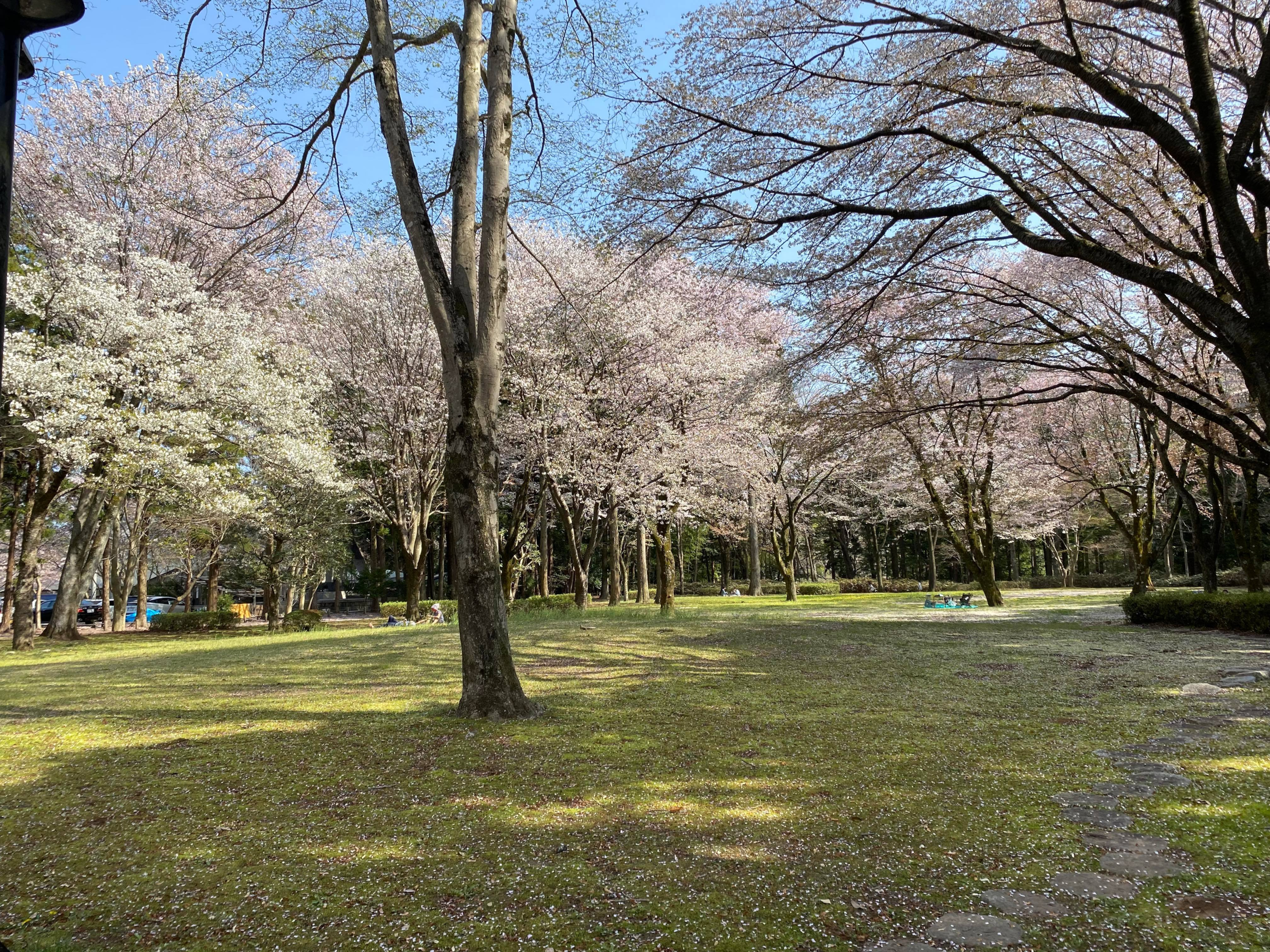
Early April – Mid April: Mito Cherry Blossoms Festival
On the western bank of the Sawatari River is the Sakurayama Area. Sakura trees cover the hill and its a popular location for hanami (cherry blossom viewing). The area at the top of the hill has food stalls and tables set up during the Mito Cherry Blossoms Festival. There are many beautiful cherry blossom trees in and around Ibaraki Gokoku Shrine. The small open area directly west of Ibaraki Gokoku Shrine is our best kept secret for hanami. Beautiful cherry blossom trees surround a nice grassy area. It is not very popular as most people go to nearby Sakurayama. This is our recommendation if your looking for a quiet and relaxing hanami experience.
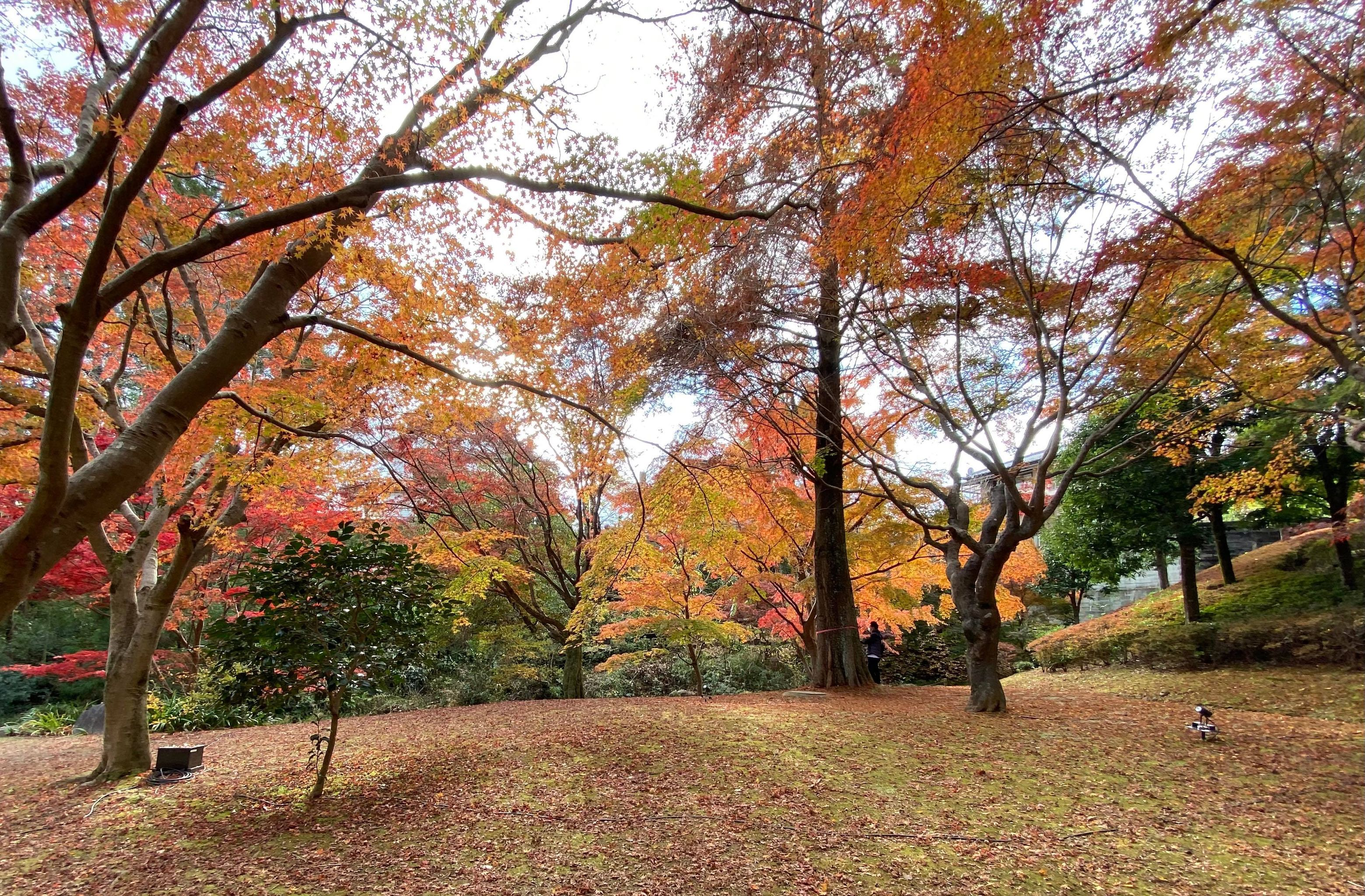
Mid November – Late November: Momiji (Autumn Leave Viewing) Light-Up
Momiji Valley is behind Ibaraki Gokoku Shrine and the Sakurayama area. From mid to late November, the tree lined valley is awash with beautiful hues of red, orange, and yellow. At night the trees illuminate allowing their colors to really pop.
Unique Reasons to Go
- One of Three Great Japanese Gardens
- Top 10 Most Popular Things to Do in Ibaraki Prefecture
- Third Floor View from Kobuntei is Wonderful
- Largest Plum Festival in Japan
- National Plum Wine Festival
- Natto Eating Contest
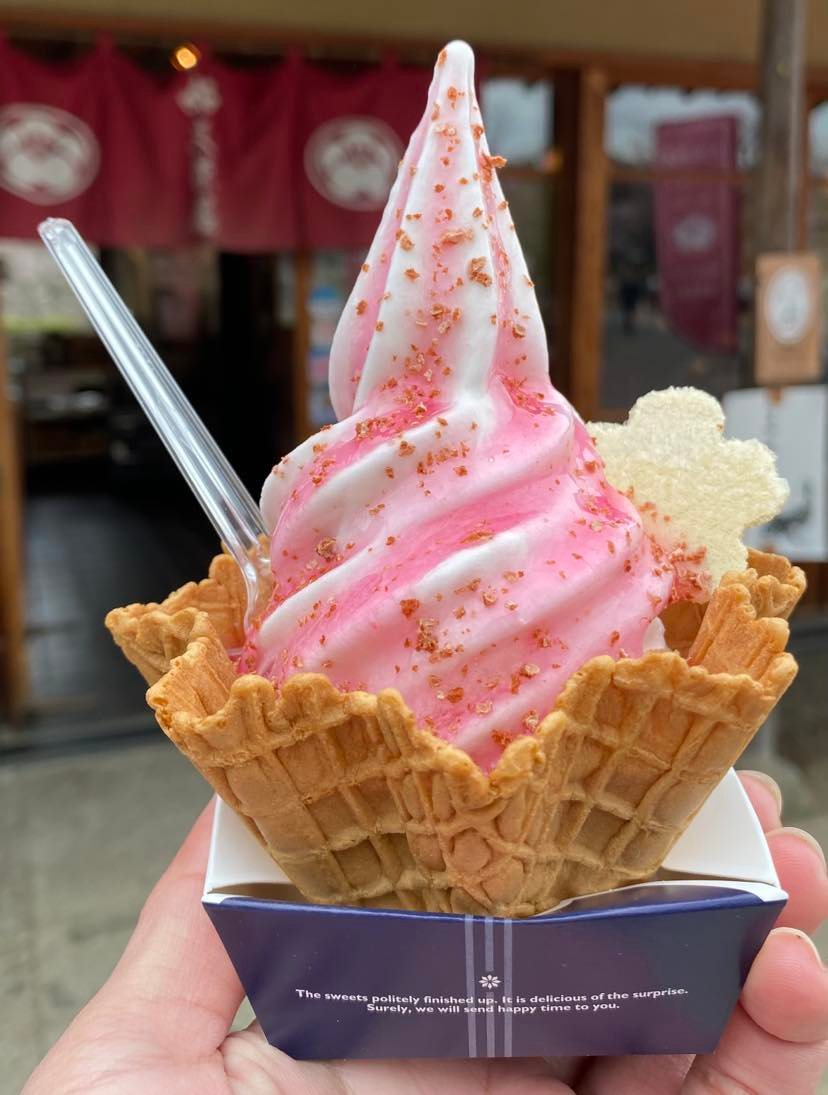
Unique Foods to Eat & Where to Get Them
- Plum Sundae from Koubun Chaya (only during the Mito Ume Matsuri)
- Plum Mochi from Kairakuen Rest House or inside Kairakuen Main
- Plum Soft Serve Ice Cream from Komon Tea House
Admission Fee & Hours
Kairakuen Main Garden Admission Fee
¥300/Adult, ¥150/Children *Free admission before 9:00 am and for residents of Ibaraki Prefecture (does not include the plum festival & other special events).
Kairakuen Main Garden Hours
Mid-February – September 30th : 6:00 ~ 19:00
October 1st – Mid-February : 9:00 ~ 16:30
No Holidays
Kobuntei Admission Fee
¥200/Adult, ¥100/Children
Kobuntei Hours
February 20th – September 30th : 9:00 ~ 17:00
October 1st – February 19th : 9:00 ~ 16:30
Closed: December 29th – 31st
How To Access Kairakuen Garden
By Public Transportation
- From Tokyo (Ueno Station) take a JR Joban Line train or a Ueno-Tokyo Line train bound for Katsuta getting off at Mito Station *Least Expensive (2 hours 10 minutes, ¥2,310 one way per person)
- From Tokyo (Ueno Station) take a JR Hitachi & Tokiwa Limited Express train bound for Katsuta getting off at Mito Station. *Quickest (65 minutes, ¥3,890 one way per person)
- *Kairakuen Station is a seasonal station that is only open during the plum blossoms season. It is a special JR Joban Line stop in between Mito Station & Akatsuka Station.
- From Mito Station head towards the ground floor of the north exit: Bus Stop #4 (Ibaraki Transportation) get off at “Kairakuen East Gate” (偕楽園東門) or Bus Stop #6 (Kanto Railway) get off at “Kairakuen Entrance” (偕楽園入り口)
By Car
- Mito-kita Smart IC (6.5 km Northwest)
- Mito IC (8.5 km West)
- Ibararkimachi-higashi IC (8.2 km South)
- Mito-minami IC (7.6 km Southeast)
Best Kairakuen Parking Lots
- Tokiwa Shrine Parking Lot (70 Spaces, 150m from East Entrance, Best for Kairakuen Main & Tokiwa Shrine, Paid)
- Kairakuen Lower Parking Lot (140 Spaces, 240m from East Entrance, Best for Kairakuen Main & Tokiwa Shrine, Paid)
- Senba Park West Valley Parking Lot* (~120 Spaces, 600m from East Entrance, Best for Kairakuen Main, Senba Lake, & Tokiwa Shrine)
- D51 Parking Lot* (~142 Spaces, 650m from East Entrance, Best for Kairakuen Main & Senba Lake) *Closest Free Parking Lot to Senba Lake
- Senba Lake North Parking Lot (~100 Spaces, 700m from East Entrance, Best for Senba Lake & Kairakuen Main) *Closest Free Parking Lot to Kairakuen Main
- Senba Lake West Parking Lot (150 Spaces, 550m from East Entrance, Best for Kairakuen Main & Senba Lake, Paid)
- Sakurayama Parking Lot #1 (270 Spaces, 550m from South Gate, Best for Sakurayama, Momiji Valley, & Kairakuen Main) *Closest Free Parking Lot to Sakurayama
- Sakurayama Parking Lot #2 (149 Spaces, 450m from South Gate, Best for Sakurayama, Momiji Valley, & Kairakuen Main)
- Sakurayama Parking Lot #3 (66 Spaces, 350m from South Gate, Best for Sakurayama, Momiji Valley, & Kairakuen Main)
- Momiji Valley Park Lot (24 Spaces, Best for Momiji Valley & Sakurayama) *Closest Free Parking Lot to Momiji Valley (fills up quick)
7 thoughts on “Best Times To Visit Kairakuen Garden”